
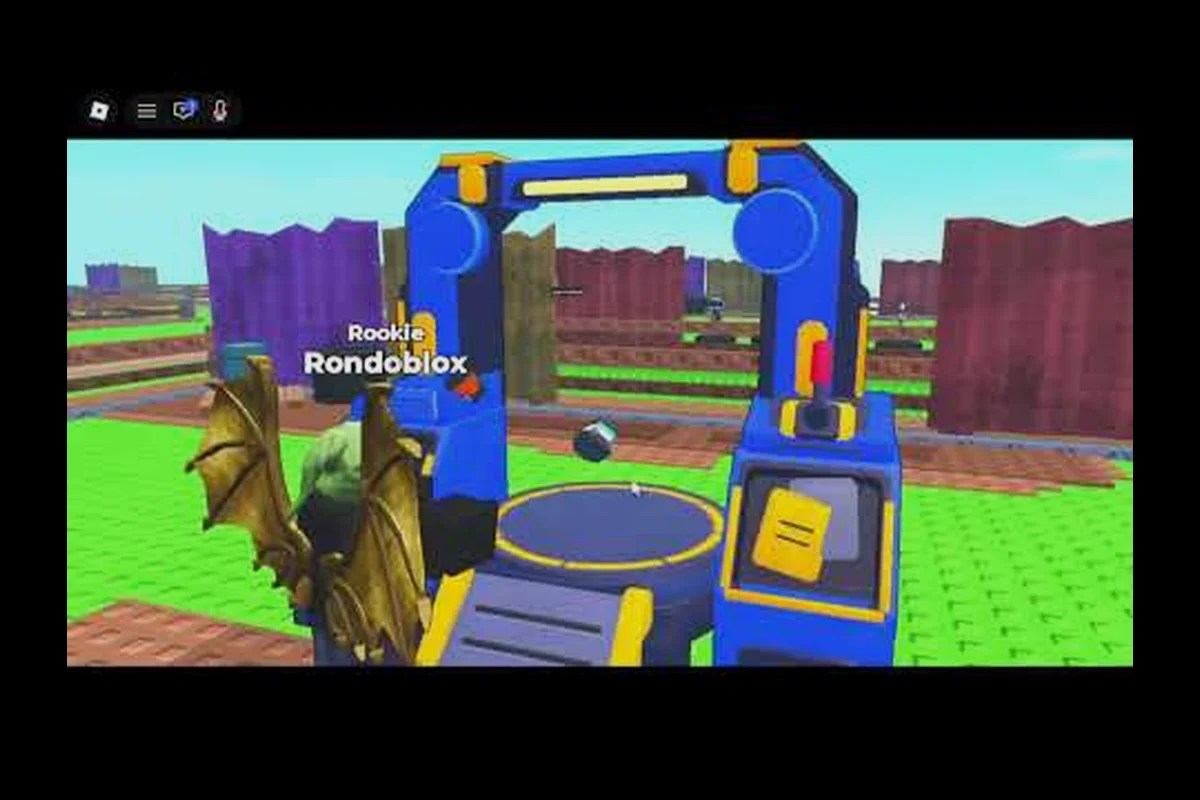
Steel fighters robot upgrades decide how efficiently your lineup clears increasingly difficult floors. Learn which parts, classes, stats, and rebirth choices produce stronger Steel Fighters robot builds beyond Floor 30.
How Steel Fighters Robot Upgrades Shape Your Power
Steel fighters robot upgrades work best when every part supports a clear combat role. The official Steel Fighters game page describes a lineup system with more than 100 robots, endless floors, bosses, scrap collection, part upgrades, and rebirth bonuses. That structure makes raw damage only one part of the equation: a strong build also needs survivability, useful reach, and enough robots to survive repeated encounters.
The practical goal is not to identify one universal “best” robot. It is to create a lineup that covers different enemy demands. A durable frontliner can absorb punishment, a ranged unit can deal damage safely, and a mobile melee attacker can exploit openings. Understanding Steel Fighters robot classes and their stat profiles helps you spend resources on the right upgrades instead of spreading scrap and cash too thinly.
The upgrade system at a glance
| Upgrade target | What improves | Best use | Main tradeoff |
|---|---|---|---|
| Head part | A specific combat attribute | Fine-tuning a robot’s role | One stat receives more focus |
| Torso part | Overall durability and core power | General-purpose frontline builds | Usually more valuable when balanced |
| Arm part | Attack strength or attack speed | Melee and ranged damage dealers | Extreme focus can create weakness |
| Leg part | Speed, agility, or defensive stability | Mobility and evasive fighters | Tanky builds may gain less benefit |
| Robot level | Base performance of assembled parts | Preparing for tougher floors | Costs more resources as it rises |
| Rebirth progression | Stronger account-wide multipliers | Long-term progression | Requires sacrificing current progress |
This table establishes the upgrade hierarchy: parts determine a robot’s identity, robot levels multiply that identity, and rebirth makes future improvement faster. Since the official page lists part upgrading, scrap gathering, and rebirth as connected progression systems, no single upgrade should be evaluated without its effect on the rest of the lineup.
A balanced Steel Fighters robot upgrade plan follows four steps:
-
Define the role: Decide whether the robot is the tank, melee specialist, ranged attacker, or flexible support.
-
Prioritize the bottleneck: Raise the attribute most likely to stop the robot from completing its assigned fights.
-
Keep a reserve: Retain enough scrap and cash for repairs, replacement parts, or a second lineup.
-
Test at milestone floors: Compare clear speed and failure rate before committing more resources.
Steel Fighters Robot Classes and Stat Priorities
Steel Fighters robot classes are best understood as functional lanes rather than rigid labels. A robot’s assembled head, torso, arms, and legs determine its final profile, and community build examples show that matched sets can outperform a loose mixture even when the individual pieces look attractive. The most reliable Steel Fighters robot upgrades therefore begin with a complete stat comparison rather than a single-piece ranking.
Choosing a role for your lineup
| Build role | Preferred attributes | Combat behavior | Recommended lineup share |
|---|---|---|---|
| Steel Fighters tank robot | Durability, strength, stability | Enters danger zones and absorbs punishment | 20–30% |
| Steel Fighters melee robot | Melee power and attack speed | Closes distance and punishes exposed enemies | 30–40% |
| Steel Fighters ranged robot | Ranged power and attack speed | Attacks from safer positions | 30–40% |
| Flexible build | Balanced attack and defense | Handles mixed encounters | 10–20% |
These percentages are practical allocation targets based on the need for role coverage, not official drop-rate or stat caps. Adjust them as the official game page states that endless floors include powerful bosses. Your lineup needs a dependable answer to damage spikes, but it also needs enough offensive power to prevent fights from dragging on.
A Steel Fighters tank robot should not be judged by melee damage alone. Its useful qualities include the ability to remain active, protect nearby robots, and survive attacks that would instantly remove a fragile glass cannon. If you need part-farming details, the guide to Steel Fighters arm and leg parts can help identify which components fit each lane.
Read the full stat profile
Before upgrading one part, compare the robot’s attack, defense, speed, and other visible attributes. High damage does not help if the robot cannot land attacks, and high defense does not help if the team lacks enough pressure to finish the enemy.
| Stat profile | Likely result | What to upgrade next |
|---|---|---|
| High attack, low defense | Fast damage potential with fragile survival | Torso, head, or defensive arm option |
| High defense, low attack | Durable but slow to defeat enemies | Arms for stronger or faster attacks |
| High speed, low power | Good positioning with weak impact | Torso or arms for additional power |
| Balanced profile | Fewer weak points across floors | Small upgrades to the most relevant attribute |
These four profiles cover most practical situations, but they are not substitutes for the displayed values on your specific robot. Community-reported testing and player guides treat the part system as the foundation of strong builds, because upgrading an existing part compounds its contribution instead of requiring a new robot immediately. Remember that the Steel Fighters max robot stats goal depends on the current part combination, so the numerical ceiling is not a single universal value.
Maximizing Steel Fighters Max Robot Stats
Steel Fighters max robot stats are best reached through deliberate part selection, incremental upgrades, and a clear account objective. The official game confirms that robots can be assembled from mix-and-match components and that parts can be improved using earned resources. Because the game also supports rebirthing for stronger stats, a player who spends every resource immediately may progress more slowly than one who balances current performance with future multipliers.
Upgrade order for each robot
-
Secure a coherent part set: Use a complete robot or a combination whose main attributes agree. A strong melee core with weak legs is less valuable than a slightly smaller, balanced set.
-
Upgrade the core part first: Raise the torso when it supports both offense and defense, or prioritize the part responsible for the robot’s primary role.
-
Correct the lowest relevant stat: A melee robot needs enough health and mobility to reach its target, while a ranged robot needs stability and attack output to fire consistently.
-
Finish secondary parts: Once the core performs as intended, invest in arms, legs, and the head without neglecting the role-defining attribute.
-
Reserve resources for the next floor: Keep a small scrap and cash buffer because stronger enemies can make an otherwise effective build fail quickly.
| Priority | Upgrade target | Reason to act | When to delay |
|---|---|---|---|
| 1 | Main role attribute | Creates the largest direct combat gain | If the robot cannot survive to use it |
| 2 | Torso or core stat | Supports broader performance | If a limb blocks the intended play style |
| 3 | Secondary attack stat | Improves damage output | If speed or survival remains dangerously low |
| 4 | Defensive balancing stat | Reduces avoidable defeats | If it compromises the robot’s core identity |
| 5 | Cosmetic or minor stat | Polishes the build with limited combat value | Until core upgrades are complete |
The order matters because a narrow stat spike can make a robot less effective. A Steel Fighters ranged robot with enormous attack power but poor stability may fail before it deals meaningful damage. By contrast, a balanced robot can outperform a high-number build when it remains active for the entire encounter.
How the max level robot fits into progression
Reaching a Steel Fighters max level robot is not automatically the same as having the best account. The official description highlights endless floors, boss encounters, and rebirth progression, which means the ceiling of one robot is only one part of the larger goal. A useful account can continue improving after the current robot reaches its level limit.
To prepare for a Steel Fighters max level robot, first establish at least three tested builds: one durable, one melee-focused, and one ranged. If your current machine is approaching the level cap, compare it with alternatives from the early and late robot tier guide rather than assuming the highest level is automatically the strongest choice.
| Progression milestone | Upgrade focus | Why it matters |
|---|---|---|
| Early floors | Balanced core parts | Reduces early failure while resources are limited |
| Mid floors | Role-specific upgrades | Improves the weakest part of each build |
| Around Floor 30 | Complete roster coverage | Helps handle the tougher milestone encounters |
| Beyond Floor 30 | Rebirth-funded multi-robot lineup | Provides stronger multipliers and wider tactical coverage |
The 100-plus-robot catalog does not require you to own every entry. A smaller, functional lineup is easier to upgrade than a large collection of unfinished machines. That makes rebuilds and the role guide to Steel Fighters robot unlock requirements useful for planning which additions deserve your scarce resources.
Best Steel Fighters Robot Upgrades for Each Battle Role
The best Steel Fighters robot upgrades differ by encounter, but the underlying rule is consistent: spend stats on the attribute that prevents your robot from completing its job. A melee robot that cannot reach its target needs mobility before raw damage. A ranged robot that gets rushed needs stability or defense. A tank robot that cannot survive long enough to protect the team needs durability immediately.
Tank setup
A Steel Fighters tank robot works as the team’s stabilizer rather than its primary damage dealer. Select sturdy components, keep a balanced strength value, and favor a part set that remains useful against both ordinary enemies and bosses. Do not assume that a defense-heavy robot should carry every weak part; even tanks need enough attack output to prevent the fight from lasting too long.
| Tank priority | Upgrade reason | Typical mistake |
|---|---|---|
| Durability | Survives repeated boss attacks | Relying on defense while ignoring strength |
| Stability | Holds position under pressure | Sacrificing it for a tiny attack gain |
| Balanced strength | Contributes meaningful damage | Making the tank a completely passive build |
| Useful speed | Reaches the correct engagement range | Overvaluing mobility for every role |
The solo versus multiplayer guide can help tailor these priorities. In team play, a tank may absorb more initial pressure; in solo play, every robot must contribute enough damage to prevent slow, costly battles. Your lineup composition should reflect the mode you actually play.
Melee setup
A Steel Fighters melee robot needs a short, reliable path to damage. Its main upgrade target should be the attribute that governs melee output, supported by enough speed and durability to survive the approach. The robot does not need the highest possible total across every stat if a smaller number of weak stats pushes it into danger.
| Melee priority | Upgrade reason | Result to seek |
|---|---|---|
| Melee power | Increases the impact of successful attacks | Faster enemy health reduction |
| Attack speed | Creates more attack opportunities | Better pressure during short windows |
| Mobility | Closes distance safely | More attacks before the enemy retaliates |
| Durability | Survives one mistake | Greater consistency in difficult fights |
For mixed parts, check each arm and leg against the role. The Steel Fighters part lineup guide is useful for comparing arm types, leg characteristics, and the reasons a mixed set may outperform a simple one. Keep only the swaps that improve a real weakness rather than changing the robot every time a marginally larger number appears.
Ranged setup
A Steel Fighters ranged robot should maximize safe damage. Its attack stat comes first, but speed, stability, and enough health determine whether it can maintain pressure. Avoid a glass-cannon arrangement unless the robot has a clear frontline protecting it; otherwise, one fast enemy can eliminate your main source of damage before the encounter develops.
| Ranged priority | Upgrade reason | Result to seek |
|---|---|---|
| Ranged power | Increases damage from successful shots | Shorter fights without changing positioning |
| Attack speed | Improves the rate of fire | More opportunities to pressure targets |
| Stability | Supports safer ranged attacks | Fewer interrupted attack cycles |
| Defensive balance | Prevents instant removal | More reliable output against bosses |
A practical Steel fighters robot upgrade cycle is to improve one role-defining part, test the robot on the current floor, and record whether clear time, damage taken, or survival improved. That feedback prevents over-investing in a stat that looks impressive in the menu but does not change the encounter outcome.
Efficient Resource Planning Beyond Floor 30
Efficient Steel Fighters robot upgrades require resource planning because scrap, cash, and rebirth progress serve different purposes. Community guides emphasize adding robots to the lineup, improving parts, and using team play to reach Floor 30 and beyond. The official game page also identifies the Junkyard as a place where scrap can be collected, making it a central part of the progression loop.
Compare upgrade routes
| Route | Resource focus | Best stage | Main benefit |
|---|---|---|---|
| Upgrade one robot heavily | Scrap and cash on one machine | When a current build nearly fits a role | Raises familiar, tested performance |
| Upgrade several robots evenly | Moderate spending on each | When the lineup has major weaknesses | Creates balanced role coverage |
| Expand the robot count | Parts and supporting resources | When a team slot or role is missing | Adds tactical flexibility |
| Rebirth for stronger multipliers | Sacrifice current progress | After testing a stable foundation | Improves future growth efficiency |
| Team-based farming | Shared time and combat effort | When several players can coordinate | Supports faster resource collection |
Junkyard scrap runs should fund a defined goal, such as the main damage stat for a melee robot or the torso upgrade for a tank. Without a goal, players often distribute resources across many robots and leave every build one important upgrade short. Choose the robot that can benefit immediately, finish its core upgrades, and only then expand the next member of the roster.
A repeatable progression checklist
- Record each robot’s attack, defense, speed, and level.
- Assign a primary class to every active robot.
- Identify one combat-breaking weakness per build.
- Upgrade the attribute responsible for that weakness.
- Test the revised robot on the current floor.
- Keep enough resources to repair a failed progression attempt.
- Add a replacement robot only when the lineup lacks a role.
- Rebirth only after confirming that current progress can be converted effectively.
The checklist helps separate meaningful improvements from cosmetic collecting. If a new robot is weaker but offers a different class, it may still be worth keeping because it solves a coverage problem. Compare candidates using the robot stats and tier resources rather than relying on a single headline number.
When to rebuild instead of upgrading
A rebuild makes sense when the current robot cannot fulfill its assigned role even after a focused upgrade. Common signs include a ranged unit with no usable attack advantage, a melee robot that cannot survive its approach, or a tank that lacks the durability to protect the lineup. In these cases, moving a few parts into a better chassis can produce more value than raising every level on a mismatched build.
Comparing Steel Fighters Max Level and Rebuild Choices
Choosing between a Steel Fighters max level robot and a new build is a comparison of role efficiency, not prestige. A high-level robot may have accumulated more upgrades than a new arrival, yet a lower-level unit with ideal stats can be more valuable if it fills a missing combat function. The leveling and power progression guide offers a broader view of how to make each upgrade step produce measurable progress.
| Decision factor | Favor the max level robot | Favor a rebuild |
|---|---|---|
| Combat role | Already matches a needed class | Fills a class your lineup lacks |
| Resource cost | Existing parts can be improved | Existing parts can be redistributed |
| Stat balance | Core attributes are competitive | A small change removes a major weakness |
| Floor performance | Clears content consistently | Struggles because of role mismatch |
| Long-term value | Supports a rebirth plan | Opens a better upgrade path |
| Collection appeal | Adds a new top performer | Preserves a tested specialist |
| Build result | Best for | Important consideration |
|---|---|---|
| One high-level generalist | Broad early coverage | Can become less efficient than specialists later |
| Three focused robots | Core floor progression | Leaves fewer spare slots for bosses |
| Four or more role-focused robots | Milestone floors and difficult enemies | Requires a reliable resource reserve |
| Rebirth-centered roster | Long-term account growth | Takes time to rebuild after rebirth |
Steel Fighters max robot stats should be evaluated in the company of their actual values. A robot with lower totals but an excellent attack-speed-to-damage relationship can deliver more attacks, create more openings, and shorten a fight. Conversely, high damage is wasted if the robot loses positioning or is removed before its attacks connect.
The strongest answer is usually a diversified roster with one deeply upgraded core robot, several role-specific backups, and enough spare capacity to test alternatives. That structure prepares you for unknown enemies without forcing every encounter into the same combat pattern.
Frequently Asked Questions
Should I upgrade every robot to the maximum level?
No. Upgrade the robots that fill your active Steel Fighters robot classes first, then finish a roster that covers tank, melee, ranged, and flexible roles. A smaller set of strong, functional robots usually outperforms many partially upgraded units when floors become demanding.
What stats matter most for a Steel Fighters tank robot?
Prioritize durability, stability, and enough strength to contribute meaningful damage. Its purpose is to survive dangerous exchanges and protect the lineup, so extreme investment in attack speed or ranged power can leave its core function unfinished. Test whether it remains active through the encounter’s longest phase.
How do I determine the Steel Fighters max robot stats for my account?
Compare the displayed attributes of every owned robot, then test the strongest candidates on the same floor. The best stats depend on the parts assembled, the robot’s role, and current progression bonuses. No fixed number alone proves that one machine is superior across every encounter.
Is a Steel Fighters melee robot better than a ranged robot?
Neither is universally stronger. A melee robot can deliver greater close-range pressure, while a ranged robot can attack from safer positions and may preserve itself better. Their relative value depends on the lineup, enemy behavior, player control, and whether the team can protect its damage dealers.
When should I rebuild instead of upgrading a Steel Fighters ranged robot?
Rebuild when its core statistics prevent it from functioning as a ranged attacker, such as when damage, attack speed, or stability is too low to remain effective. Moving parts into a better chassis or role-focused set can produce a faster practical gain than adding more levels to a mismatched build.
Steel fighters robot upgrades are most effective when every improvement answers a specific combat problem. Build a roster with durable, melee, and ranged coverage, test each change on the current floor, and reserve resources for milestones beyond Floor 30. A tested lineup with balanced stats will usually deliver more consistent progress than a single overleveled robot surrounded by unfinished builds.