
Tier List
Steel Fighters tier list hub: community rankings for robots and part builds across floors, bosses and PvP, with S to C explanations and honest meta caveats after each patch.
Introduction
The Steel Fighters tier list is a community scoreboard for the current meta: which robots and part builds are performing best in floors, bosses and PvP as of the latest update. Because the game is barely two months old and ships almost daily, these rankings are snapshots rather than permanent truth, and every entry here should be read as community data that players keep re-testing rather than official developer stats. The tier system itself is standard: S stands for top machines and builds that dominate late-floor and PvP play, A covers very strong picks that perform well in most content with less investment, B is for solid but situational machines that need good part support and C is starter or niche robots useful early or for specific content only. The tier list page collects the reasoning behind those letters, explains which scenarios each tier actually covers and flags the places where the meta is still moving, so you can spend your Scrap and Cash on machines that still count when the next patch lands.
Tier Rules of Thumb
| Tier | Definition | Best Fit |
|---|---|---|
| S | Top-tier robots and builds dominating the current late-floor and PvP meta | Late floors, competitive PvP |
| A | Very strong picks that perform well in most content with less investment | General progression |
| B | Solid but situational machines that need good part support | Specific scenarios |
| C | Starter or niche robots useful early or for specific content only | Early game, niches |
Ranking Library
S Tier Builds
Top-tier robots and builds dominating the current late-floor and PvP meta, per the community ranking definitions. These are the machines the most serious players gravitate toward and the ones other builds get compared against, but availability and patch timing still matter before heavy investment.
A Tier Builds
Very strong picks that perform well in most content with less investment. The community sweet spot for progression: machines that clear reliably, survive casual play and do not demand perfect part support, which makes A builds the safest foundation when you are still learning which scenarios you enjoy most.
B Tier Builds
Solid but situational machines that need good part support. A B pick is not bad, it just asks for the right context and the right parts to stop being average. Players who already understand their loadouts can squeeze strong value from B machines in their niche, while new players should treat the support requirement as a warning.
C Tier Builds
Starter or niche robots useful early or for specific content only. C machines make fine learning tools and can shine in one narrow bracket, but they usually become bench picks once your roster matures. Spend lightly on C picks, use them to learn the game’s rhythm and pivot to A or S machines as your Scrap and Cash allow.
Meta Movers
Machines and part combos whose stock is changing right now, usually because a patch, a new release or an event just landed. Tracking meta movers early gives you a head start on the next list, but early information is also the noisiest, so double-check anything flagged as a mover before you spend big on the trend.
Community Consensus
The aggregate view across community channels: where most testers roughly agree on a robot or build grade. Consensus is stronger evidence than a single hot take because it averages out individual play styles and testing error, while disagreement flags the places where the meta really is still moving under your feet.
Core Mechanics
Tier letters only make sense with context, and Steel Fighters splits almost every ranking by scenario. A floor-farming robot needs wave-clear efficiency and sustain, a boss machine wants high single-target damage, and PvP asks for a different blend of durability and burst. The community publishes separate hot takes for floors, bosses and PvP, and the same machine can sit at different places in each. Inputs that move a robot up or down include its base frame, the part sets commonly run on it, how it scales with upgrades and rebirth and whether recent balance patches buffed or nerfed its key stats. Scarcity also affects practical tier value: a technically powerful robot that is nearly impossible to obtain is less useful to most players than a very good machine you can actually unlock. That is why tier lists here always pair the letter with the scenario, the part context and a rough availability note, which keeps rankings honest in a game where the official stats barely exist.
Advantages
A maintained tier list saves real resources. Steel Fighters gives you no official ranking or database, so community tiers are effectively the only map of what to build. Fresh tier judgment lets you route Scrap, Cash and rerolls toward machines that perform in the live patch instead of funding last week’s meta. Scenario-aware tiers also stop you from overvaluing a floor monster on a boss fight or a PvP specialist on a farm, which is the most common costly mistake in the game. Because the list updates with patches, you get early warning when a balance change is about to make your investment obsolete, and you can pivot before the market of casual players catches up.
Challenges
Every tier list here carries the same caveat: it is community data, probably out of date and never official. Robot stats and part math are player-reported, so ranking inputs can contain errors, and balance patches arrive almost daily, which means any letter can flip within a week. Different community sources also disagree, because building contexts differ and testing takes time, so two lists can place the same machine a full tier apart. Availability is another hazard: tiers assume you can obtain the machine, but roster details are thin and some picks may be event-gated. Use the list as a starting hypothesis, verify in-game and recheck after every update before you spend anything big.
Frequently Asked Questions
Why is the Steel Fighters tier list community-based?+
How often should I recheck the tier list?+
What does 'S' really mean for a floor boss or PvP build?+
Quick Tips
Pair every tier letter with its scenario before you invest. Floors, bosses and PvP value different stats, so an S farm machine can be a dud on a boss health bar and a boss specialist can farm slowly. Scan the scenario column first and spend toward the fights you actually plan to run this week. If you do a bit of everything, favor well-rounded A picks with broad performance over a narrow S machine you will only use in one bracket.
Treat the list as a hypothesis that expires at the next patch. Steel Fighters ships balance changes almost daily, so the letters you read today reflect testing that may predate the newest nerfs. When a patch lands, hold major purchases for a few hours, skim the notes and let the community re-test before you spend. A short patience window protects your Scrap and Cash from becoming a monument to last week’s meta.
Weigh availability alongside the grade. A powerful robot you cannot unlock is worth less than a solid machine you actually own, and roster details in this game are thin. When a tier list praises a pick you have never seen drop, confirm how to obtain it before planning around it, and let current ownership gravity pull you toward the strongest machine you can realistically field.
Featured
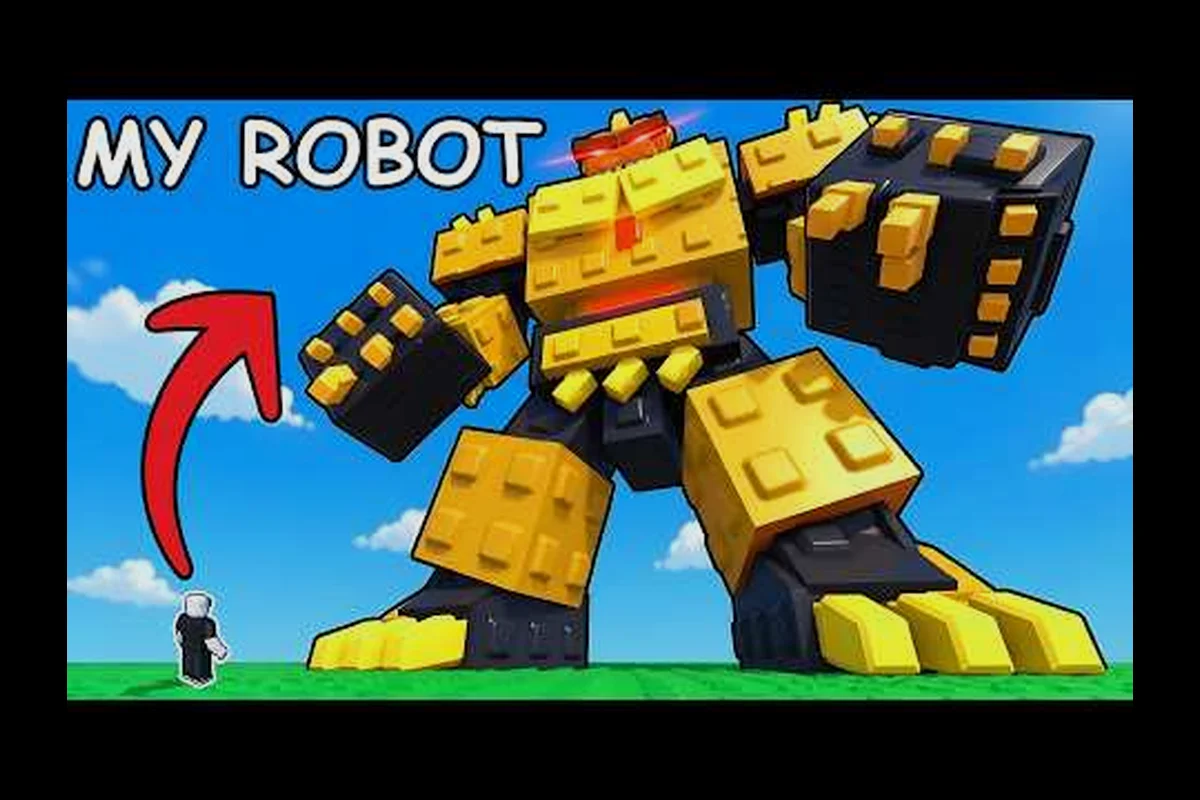
Steel Fighters Tier List Maker: Create Your Rankings
Use the Steel Fighters tier list maker to rank robots, separate starter choices from endgame contenders, and build a personal tier chart.

Steel Fighters Arena Tier List for Bosses and Farming
Use the steel fighters arena tier list to compare floor-crushing, boss-killing, and farming robots, with clear picks for every major battle role.

Steel Fighters Best Build 2026: Robot Combos Compared
Compare Steel Fighters best build 2026 combinations by robot, parts, set bonuses, and loadouts for stronger floor runs and boss fights.
All Articles

Steel Fighters Best Early Robot Picks for New Players
Identify the steel fighters best early robot options for beginners, with practical tank, melee, and ranged starters that make early floors easier.
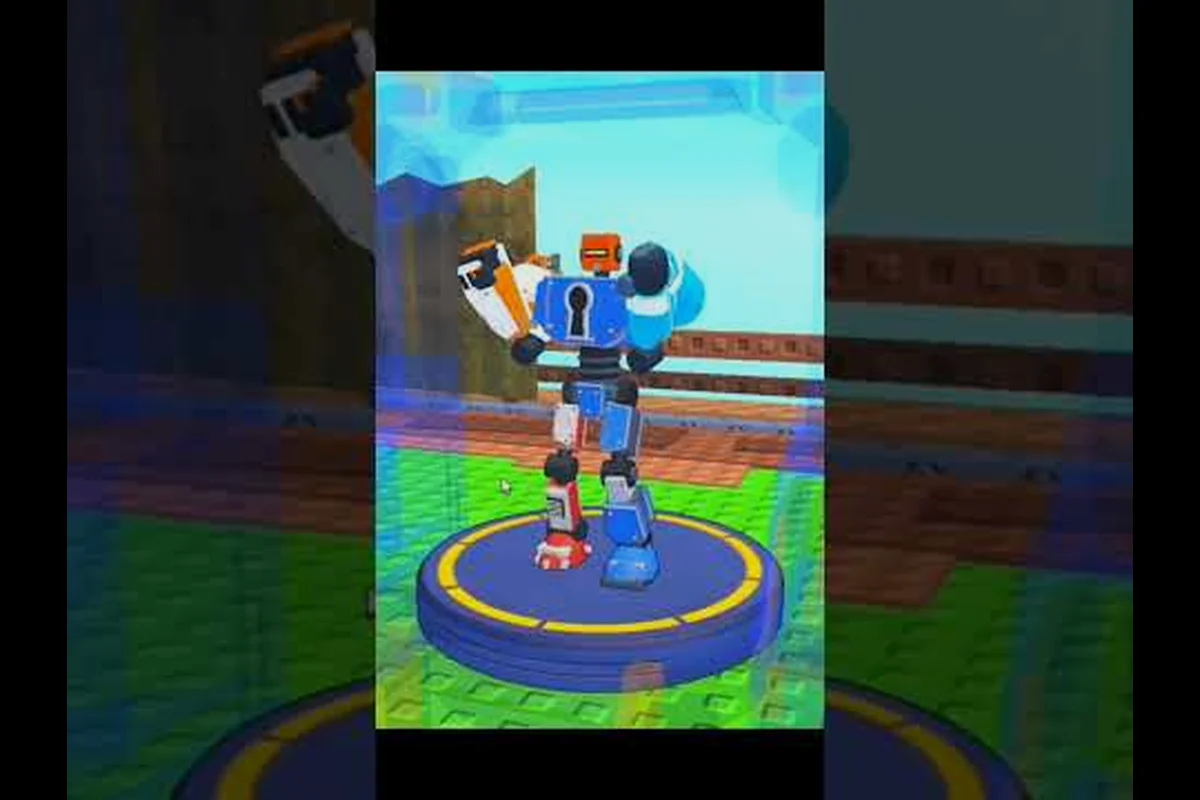
Steel Fighters Tier List: Robot Rankings by Battle Role
Compare the Steel Fighters tier list by S, A, and B rankings, with robot picks for PvP, bosses, farming, and early floors.

Steel Fighters Tier List 2026: Best Robots and Parts
Explore the Steel Fighters tier list 2026 for ranked robots, S-tier parts, and the strongest PvP choices across key battle roles.

Steel Fighters Worst Robots to Avoid and Better Replacements
Learn which steel fighters worst robots hold back your progress, why they fall behind, and which underrated or meta alternatives offer stronger performance.